Accredited Residential Electrician for Safe Home Electrical Connections
A certified residential electrician is vital for maintaining safe home wiring. Their expertise guarantees compliance with safety codes, markedly decreasing the threat of electrical dangers. These technicians assess existing systems and can identify issues before they become serious problems. With an emphasis on sustainability and trustworthiness, they present themselves as steadfast partners to homeowners. Knowing their role and benefits is paramount for any house owner considering electrical work. What insights can be learned about standard electrical concerns and resolutions?
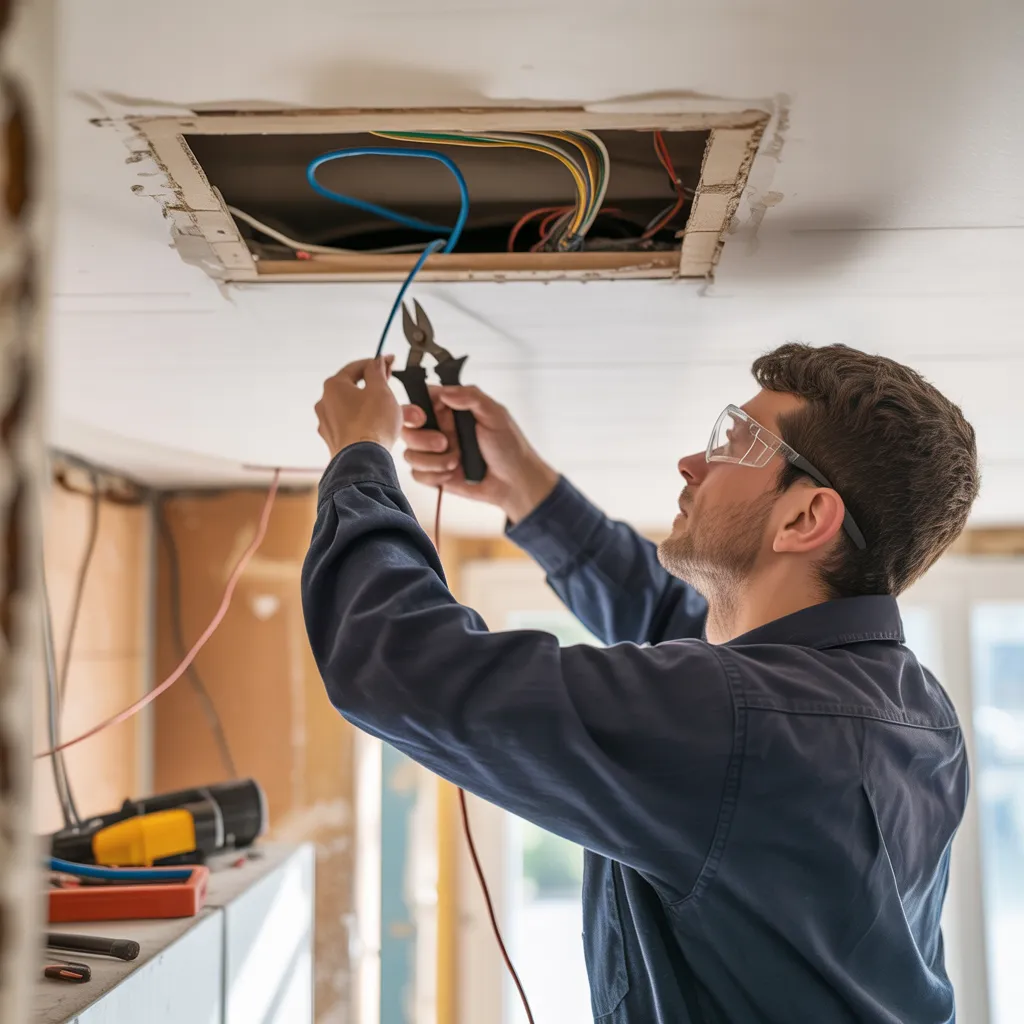
The Function of a Licensed Residential Electrician
A certified home-based electrician guarantees the protected and productive running of electrical installations in dwellings. Their principal duty includes the installation, maintenance, and repair of electrical wiring, fixtures, and equipment. This professional makes sure that all work complies with local construction requirements and safety protocols, mitigating risks connected to electrical failures.
In addition to basic setups, a qualified electrical professional assesses existing electrical systems for potential hazards and operational shortcomings, providing solutions that improve safety and performance. They identify and resolve issues, pinpoint faults, and implement repairs to prevent future complications.
In addition, these electricians frequently collaborate with other contractors and homeowners to design electrical layouts for new buildings or renovations. Their expertise includes recommendations on energy-saving practices, assisting homeowners in making informed decisions about their electrical consumption. Overall, a certified residential electrician holds an essential role in guaranteeing the stability and safety of residential electrical systems.
Key Advantages of Hiring a Certified Residential Electrician
Bringing on a qualified home electrician offers numerous advantages that fortify both reliability and productivity in home electrical frameworks. Chiefly, licensed electrical professionals demonstrate the necessary training and knowledge to adhere to local codes and regulations, confirming that all work conform to safety standards. Their expertise reduces the exposure of electrical dangers, including overloads or blazes, which can emerge from improper installations.
In addition, these specialists have access to professional-grade equipment and supplies that permit them to pinpoint and fix issues promptly. This not only saves homeowners time but also reduces the likelihood of persistent difficulties. In addition, retaining a certified electrician can boost electrical efficiency, as they can propose ideal solutions for bulbs and equipment.
In conclusion, numerous licensed electrical experts provide guarantees on their labor, providing peace of mind and economic security. To summarize, the perks of engaging a certified residential electrician substantially improve safer, more reliable home electrical infrastructure.
5 Frequent Electric Problems You Should Not Try Fixing Yourself
While quite a few homeowners might feel tempted to address minor electrical issues on their own, certain problems must always be left to certified professionals. Examples such as frequent circuit breaker trips could indicate hidden wiring problems or overloaded circuits, requiring professional assessment. Similarly, ongoing flickering lights might suggest faulty wiring or poor connections that present serious safety hazards. Furthermore, any signs of electrical burns or a burning odor should never be disregarded, as they might lead to fires if not dealt with correctly. Homeowners should also avoid trying to repair outdated or non-compliant electrical systems, since these may not conform to current safety codes. Finally, working with high-voltage systems or attempting to install new outlets without proper expertise can cause severe injury or damage. Employing a certified electrician assures both safety and compliance, protecting the home and its residents from possible risks.
Choosing the Suitable Electrician for Your House
Selecting the right electrician for a home involves multiple critical steps. Homeowners should confirm qualifications and certifications, evaluate the electrical professional's knowledge and skills, and ask for comprehensive estimates. These actions guarantee that the selected professional meets the required standards for quality and safety.
Validate Qualifications And Licenses
A experienced electrician can make a big difference in the protection and working of a home’s electrical system. To guarantee that an electrician is the appropriate candidate, confirming their credentials is vital. This step involves looking for state licensing, which shows that the electrician has met the mandatory educational and training standards. Moreover, one should seek certifications from recognized organizations, as these often demonstrate a firm focus to ongoing education in the industry. Having valid insurance is also a critical factor, protecting homeowners from future liabilities. Requesting references can also give insights into the electrician’s reliability and trustworthiness. Following these steps can help homeowners choose a qualified electrician, ultimately promoting a more secure home environment.
Evaluate Experience And Expertise
How can homeowners guarantee they pick an electrician with the right experience and expertise? One effective approach is to assess the electrician's portfolio, which should illustrate previous projects and the selection of services offered. Homeowners should also inquire about the number of years the electrician has been in the industry, as experience often ties to skill. Additionally, requesting references from past clients can provide insights into the electrician's dependability and quality of work. Certifications and specialized training in specific electrical systems should not be forgotten, as they indicate a commitment to ongoing education. Ultimately, a thorough assessment of an electrician's experience and expertise assures that homeowners can make informed decisions for their electrical needs.
Ask for Thorough Estimates
Requesting comprehensive estimates is an important step in locating the appropriate electrician for a home. Homeowners should seek quotes from multiple certified residential electricians to compare services and costs effectively. A detailed estimate must include labor, materials, and any extra fees, enabling informed decision-making. Asking about warranties or guarantees on the performed work is essential, indicating the electrician's assurance in their skills. Furthermore, transparent communication throughout the estimation process can demonstrate the electrician's professionalism and readiness to address any issues. By meticulously examining estimates, homeowners can verify they pick a certified electrician who aligns with their budget and safety standards, supporting a secure, well-wired explore article residence.
Key Steps in Your Electrical Inspection Procedure
The electrical assessment procedure includes several critical steps to ensure safety and regulatory compliance. Initially, a visual inspection checklist is employed to detect any obvious issues, then testing electrical components for proper function. Ultimately, compliance code verification confirms that all installations adhere to current regulations.
Visual Assessment Checklist
A detailed visual inspection checklist is important for any residential electrician to confirm the protection and functionality of wiring systems. This checklist usually includes examining the condition of wiring, confirming that it is free from fraying or damage. Electricians should also check for proper grounding and bonding, confirming that all connections are secure. Circuit breakers and fuse boxes must be inspected for signs of overheating or corrosion. Additionally, outlets and switches should be tested for correct installation and functionality, looking for any color changes or unusual sounds. Finally, the electrician should assess the overall organization of the electrical panel and ensure that all labels are visible. This systematic approach helps identify potential hazards before they escalate into serious issues.
Assessing Electrical Components
Testing electric components is a vital step in guaranteeing the security and effectiveness of residential electrical systems. A certified residential electrician employs a variety of tools and methods to assess the functionality of outlets, switches, and circuit breakers. This process typically involves measuring voltage, resistance, and continuity to identify any possible issues. Frequent testing helps detect faulty wiring, overloaded circuits, or defective devices that could pose dangers. Additionally, by using specialized tools such as multimeters and circuit testers, electricians can accurately pinpoint problems. Through thorough testing, electricians provide homeowners with peace of mind, making certain that their electrical systems operate efficiently and safely. Proper testing ultimately contributes to the extended life of the electrical infrastructure in the home.
Code Regulation Examination
Checking code compliance is vital for maintaining safety and performance in residential electrical systems. Certified residential electricians employ a organized approach during code compliance verification. Initially, they study applicable local and national electrical codes to confirm all installations conform to the required standards. Following that, they carry out detailed inspections of wiring, outlets, and fixtures to detect potential hazards or issues of non-compliance. After completing the assessment, they draft a detailed report highlighting any deficiencies and suggesting corrective actions. This process may involve retesting components to ensure any modifications match code requirements. By following these steps, electricians not only boost safety but also shield homeowners from potential legal and financial issues related to non-compliance.
Extended-Term Protection: Maintenance Advice From Certified Electricians
Maintaining electrical systems is indispensable for long-term safety in any residential setting. Certified electricians propose regular inspections of electrical systems to identify potential issues early. Homeowners should check for symptoms of damage, such as torn conductors or discolored outlets, which indicate a need for prompt intervention.
Furthermore, they advise performing ground fault circuit interrupters (GFCIs) regularly each month to confirm they operate correctly. Ensuring circuit breakers accessible and labeled can also improve safety during emergencies.
Regularly replacing smoke and carbon monoxide detector power sources is indispensable, as these devices are fundamental for timely alerts in case of fire emergencies or issues.
To summarize, homeowners should avoid overloading circuits and relying on power strips as permanent solutions, opting instead for extra outlets installed by a qualified electrician. By adhering to these upkeep guidelines, property owners can significantly minimize electrical hazards and create a safe living environment.
Regularly Asked Questions
What Qualifications Should I Consider in a Certified Electrician?
When choosing a certified electrician, one should underline required documentation, financial protection, successful history, technical expertise, and positive customer reviews. These qualifications secure dependable service, safety, and adherence to local electrical codes and regulations.
How Much Will Hiring a Professional Electrician Ordinarily Cost?
Contracting a certified electrician usually runs between $50 to $100 hourly, dependent on location and experience. Miscellaneous fees may apply for materials, permits, or emergency services, impacting the overall project cost.
Do Qualified Electricians Carry Insurance and Maintain Certification?
Yes, certified electricians are typically insured and licensed. This guarantees they satisfy professional requirements and regulations, providing protection for both the electrician and the homeowner if there are property damage or accidents when conducting electrical services.
Is it Feasible to Do Basic Electric Repairs on My Own?
Individuals can perform minor electrical repairs themselves if they have sufficient expertise and abilities. However, they should always prioritize adherence to safety standards and local codes, taking into account professional assistance for complicated electrical jobs to prevent potential hazards.
How Often Should I Set Up Electrical Inspections for My Home?
Property owners should arrange electrical assessments every 3-5 years, or sooner if they notice issues. Regular assessments help uncover potential hazards, ensuring protection and conformance with present electrical regulations to prevent costly future repairs.